An Express-inspired web framework
written in Go.
Fiber is a Go web framework built on top of Fasthttp, the fastest HTTP engine for Go. It's designed to ease development with performance in mind.
package main

import (
    "log"

    "github.com/gofiber/fiber/v3"
)

func main() {
    app := fiber.New()

    app.Get("/", func (c fiber.Ctx) error {
        return c.SendString("Hello, World!")
    })

    log.Fatal(app.Listen(":3000"))
}
Hello, World!
Fiber in Action
How Fiber applications are built: pick a topic, read the code.
Routes are declared Express-style with a method, a path, and a handler. Dynamic segments like :name are captured and read through c.Params, and wildcards like * match everything below a prefix. Routing guide →
app.Get("/", func(c fiber.Ctx) error {
    return c.SendString("Hello, World!")
})

app.Get("/user/:name", func(c fiber.Ctx) error {
    return c.SendString("Hello, " + c.Params("name"))
})

app.Get("/files/*", func(c fiber.Ctx) error {
    return c.SendString("Path: " + c.Params("*"))
})
Extreme Performance
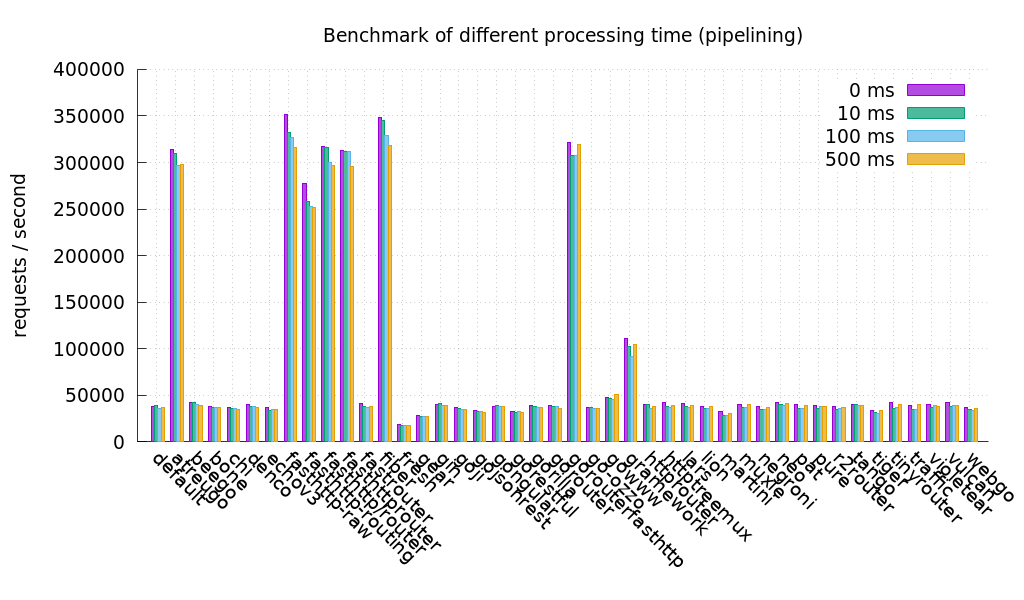
The framework
Built into the Core
Everyday capabilities that ship with the framework itself. No extra packages, nothing else to install.
Ready to ship something fast?
Start with one file, add middleware as you grow, and deploy a single binary.
Beyond the core
The Official Ecosystem
Complete catalogs of official building blocks: middleware, storage drivers, template engines, and contrib integrations, all maintained by the Fiber team.
Core Middleware
32 middlewareThe deepest catalog in the box: authentication, caching, compression, rate limiting, security headers, sessions, and more, each one app.Use away.
Storage Drivers
34 driversOne unified interface for every major database and key-value store. Plug them into sessions, caching, or rate limiting without changing your code.
Template Engines
9 enginesServer-side rendering with the syntax you already know. One official package, one interface, your choice of engine.
Contrib Packages
24 packagesOfficially maintained integrations with the wider ecosystem: tracing, logging, authentication, API documentation, and real-time communication.
Official Sponsors
Fiber is supported by these organisations. Want to join them? Become a sponsor on GitHub.


Tool Sponsors - supporting Fiber with free IDE licenses and AI credits.



Help & Support
Join our community on Discord: ask questions, share, help others.
